Raja Ampat in 2027: New Resorts, Dive Sites & Conservation Updates
July 11, 2026 · By Bali, Komodo & Raja Ampat Editorial Desk
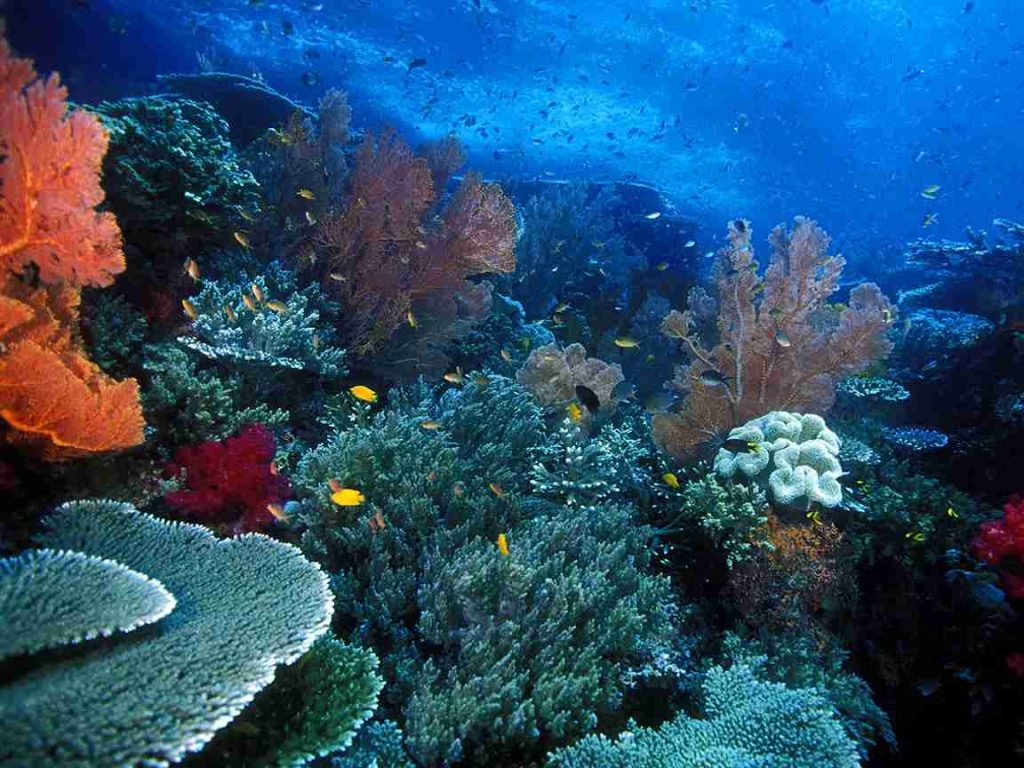
Raja Ampat in 2027 will see the opening of several new eco-focused resorts, enhancing sustainable tourism options. Emerging dive sites, previously less accessible, are becoming part of extended itineraries, particularly around Misool and Wayag. Significant conservation efforts continue to safeguard marine biodiversity, with increased focus on community-led initiatives and stricter regulations for liveaboards and charters operating in the region.
Raja Ampat New Resorts 2027: Sustainable Growth
The archipelago of Raja Ampat continues to evolve as a premier destination for discerning travellers. For 2027, the emphasis remains firmly on sustainable development, particularly concerning new accommodation options. Several boutique eco-resorts are slated for completion or significant expansion, primarily on islands like Batanta and Kri. These developments adhere to stringent environmental guidelines, often incorporating local materials, renewable energy sources, and waste management systems designed to minimise ecological impact. The aim is to provide luxury without compromise to the fragile ecosystem, a key consideration for those planning a multi-destination Indonesian luxury trip that combines Raja Ampat with Bali and Komodo.
These new resorts are not merely places to stay; they are integral to the local economy, providing employment and supporting conservation initiatives. They often partner with local communities for staffing, sourcing produce, and even guiding, ensuring that the benefits of tourism are shared broadly. This approach aligns with the growing demand for responsible travel, a significant aspect of Raja Ampat travel trends 2027. Guests can anticipate a blend of traditional Papuan architecture with modern comforts, all while being immersed in the natural beauty of the region.
Emerging Dive Sites and Enhanced Marine Exploration in 2027
While Raja Ampat is renowned for its established dive sites, 2027 brings increased focus on areas previously considered more remote or logistically challenging. Advancements in liveaboard technology and improved charting mean that sites around the far reaches of Misool and the lesser-explored parts of Wayag are becoming more accessible. These areas promise pristine coral gardens, untouched reefs, and potentially new species discoveries. Divers can expect to encounter an even greater diversity of marine life, from pygmy seahorses and wobbegong sharks to large pelagics like manta rays and various shark species.
Specialised itineraries, such as the underwater photography Raja Ampat March 2027 + Komodo manta tour, are being developed to maximise opportunities at these emerging locations during peak visibility periods. The best overall season for Raja Ampat in 2027, from October to April, offers calm seas and underwater visibility of 20–30 meters, with peak diving season from January to March 2027 often exceeding 30 meters. This makes it an ideal time for exploring these new sites and capturing stunning marine imagery.
Conservation Updates: Safeguarding Raja Ampat’s Future
Raja Ampat conservation efforts 2027 are more robust than ever, with a multi-faceted approach involving local government, NGOs, and the tourism industry. A significant focus is on expanding and enforcing marine protected areas (MPAs), which are crucial for the long-term health of the coral reefs and marine biodiversity. These MPAs restrict fishing and destructive practices, allowing marine populations to thrive.
- Increased patrols to combat illegal fishing.
- Community-led coral restoration projects.
- Enhanced waste management programmes on inhabited islands.
- Stricter regulations for liveaboard operators, including waste disposal and anchoring protocols.
- Educational programmes for local communities and tourists on responsible interaction with marine life.
Furthermore, efforts are underway to promote and certify eco-certified liveaboard Raja Ampat with Komodo & Bali extension 2027 options, ensuring that visitors contribute positively to conservation. The aim is to create a sustainable tourism model where economic benefits are balanced with ecological preservation, ensuring Raja Ampat remains a pristine destination for future generations.
Integrated Itineraries: Bali, Komodo, and Raja Ampat in 2027
For those seeking a comprehensive Indonesian adventure, combined itineraries are proving increasingly popular for 2027. The ability to link the cultural richness of Bali, the ancient wonders of Komodo, and the marine biodiversity of Raja Ampat into a single, journey offers experiences. Options range from a best 12-day Bali Komodo Raja Ampat eco-tour 2027 package to a luxury liveaboard Raja Ampat to Bali multi-stop charter 2027.
Table: Sample Combined Itinerary Focus for 2027
| Destination | Primary Activity | Key 2027 Feature |
|---|---|---|
| Bali | Culture, Relaxation, Surfing | Sustainable resort stays, farm-to-table dining |
| Komodo | Dragon Trekking, Manta Diving | Eco-certified day trips, responsible wildlife viewing |
| Raja Ampat | Diving, Snorkelling, Island Hopping | New eco-resorts, emerging dive sites, private yacht charter Raja Ampat options |
These multi-destination packages often utilise efficient domestic flights, such as a Bali to Raja Ampat direct flight + Komodo Island stopover 2027, to minimise travel time and maximise exploration. Whether it’s a 10-day Raja Ampat Komodo Bali snorkeling and diving itinerary 2027 or a more extended luxury charter, the focus is on curated experiences that highlight the unique aspects of each location while maintaining a commitment to sustainability.
Diving Seasons and Specialist Trips for 2027
Understanding the optimal diving seasons is crucial for planning a trip to Raja Ampat, especially when combining it with Komodo and Bali. The peak diving season in Raja Ampat, January to March 2027, offers exceptional visibility and calm conditions, ideal for professional divers and underwater photographers. Conversely, the low season in Raja Ampat, particularly May 2027, can still offer excellent diving with fewer crowds, often at more competitive rates, especially when paired with a low season Raja Ampat May 2027 with Komodo & Bali private tour.
Specialist trips are also gaining traction. For instance, a Raja Ampat peak diving season March 21–31 2027 with Komodo stop is perfectly timed for prime manta ray encounters in both locations. Similarly, the Raja Ampat high season December 2027 with Komodo & Bali flights allows for Christmas and New Year trips that capture the best of all three destinations. These specific windows are tailored to provide the most rewarding experiences based on marine life behaviour and weather patterns.
2027 Note: Travellers are advised to book well in advance for peak season travel, especially for liveaboards and private charters, as demand for these unique combined itineraries is projected to be very high.
FAQ
Are there any new eco-resorts or emerging dive sites in Raja Ampat to look out for in 2027?
Yes, 2027 is expected to see the opening of several new eco-friendly resorts on islands such as Batanta and Kri, built with sustainable practices. Additionally, dive operators are increasingly exploring and offering trips to previously less-frequented areas around Misool and the outer reaches of Wayag, revealing pristine reefs and diverse marine life.
What are the best times to visit Raja Ampat, Komodo, and Bali in one combined trip for 2027?
For a combined trip, the optimal period is generally between October and April, which aligns with Raja Ampat’s best diving season. March 2027 offers exceptional visibility in Raja Ampat and good conditions for Komodo. For those prioritising Komodo and Bali, May to September is ideal, but Raja Ampat diving might face choppier seas. December 2027 is also a high season option for all three, especially around the holidays.
How are conservation efforts impacting tourism in Raja Ampat in 2027?
Conservation efforts in Raja Ampat for 2027 are leading to stricter regulations for tourism operators, particularly liveaboards, focusing on waste management and anchoring. This ensures the protection of marine ecosystems while promoting responsible tourism. The increase in eco-certified liveaboards and community-led initiatives means that tourism actively contributes to the preservation of the region, aligning with sustainable travel trends.